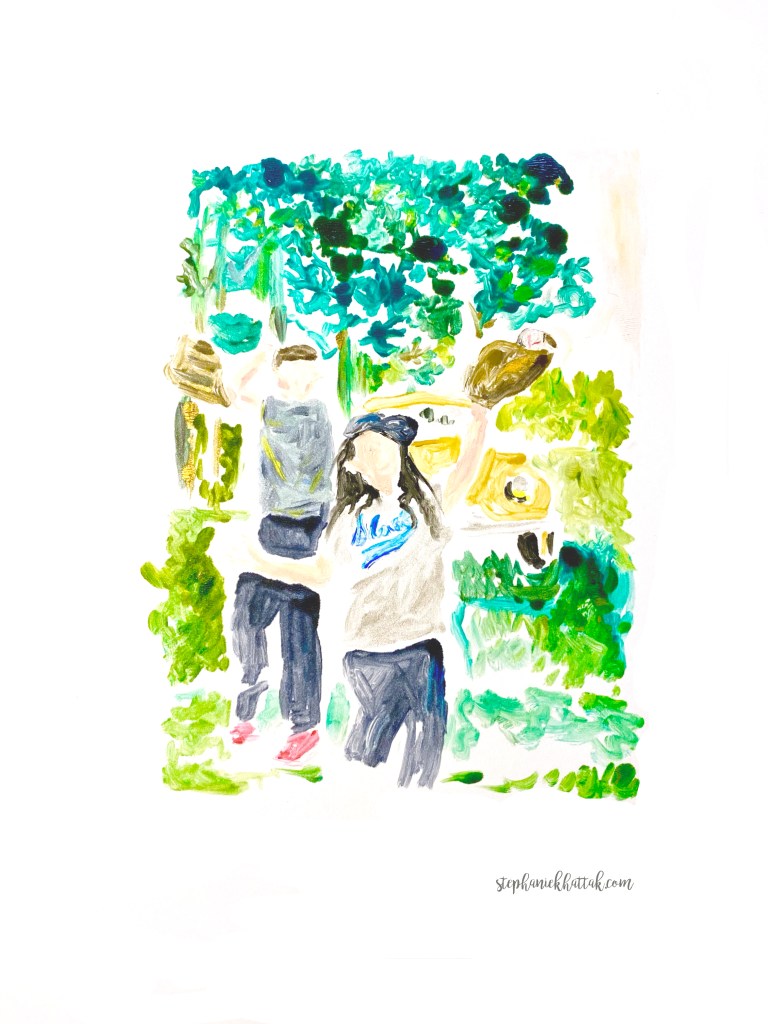
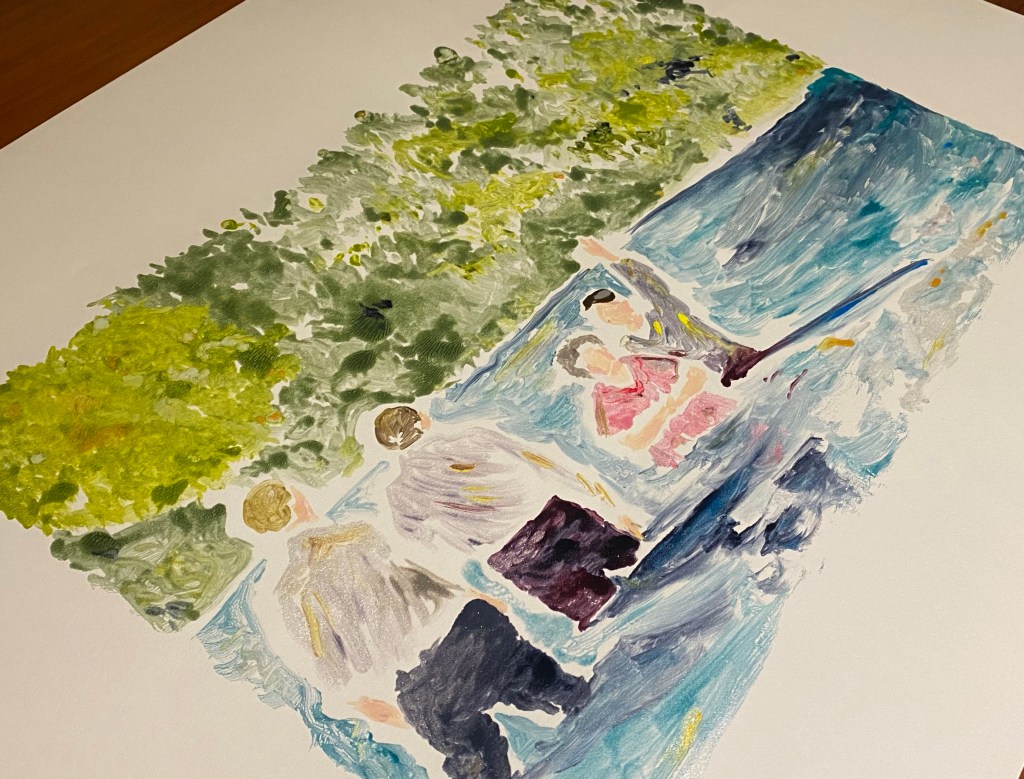
“Catch it! Got it!” By Stephanie Khattak. 12×18 Acrylic Monotype on Paper.
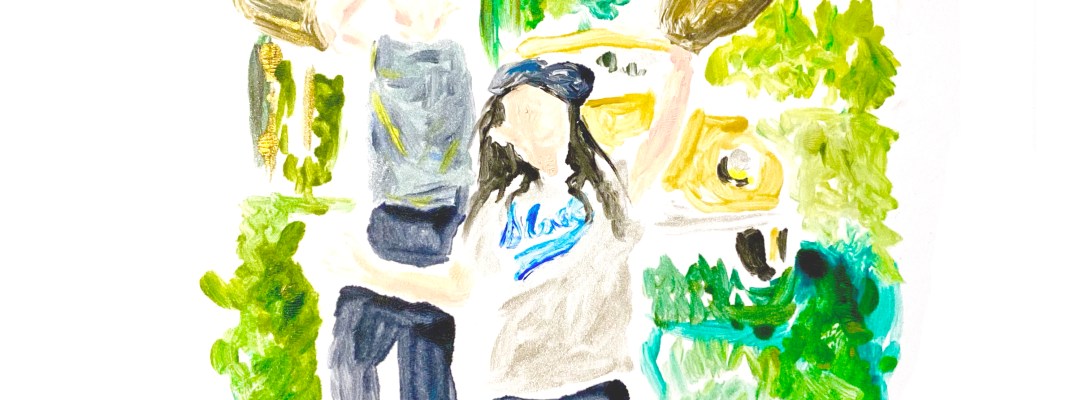
This print was taken from a vintage photo from the late 1960s in Lufkin, in the deep East Texas. My uncle and cousin playing baseball in my great-grandmother’s yard, dodging pine trees to catch the ball. Somewhere in front of them, there must have been a batter and a photographer. No cameras were harmed as far as I know!
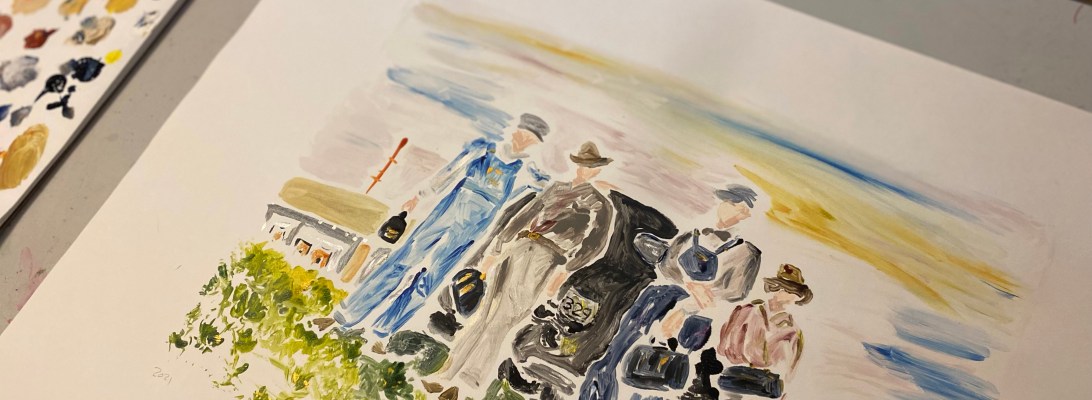
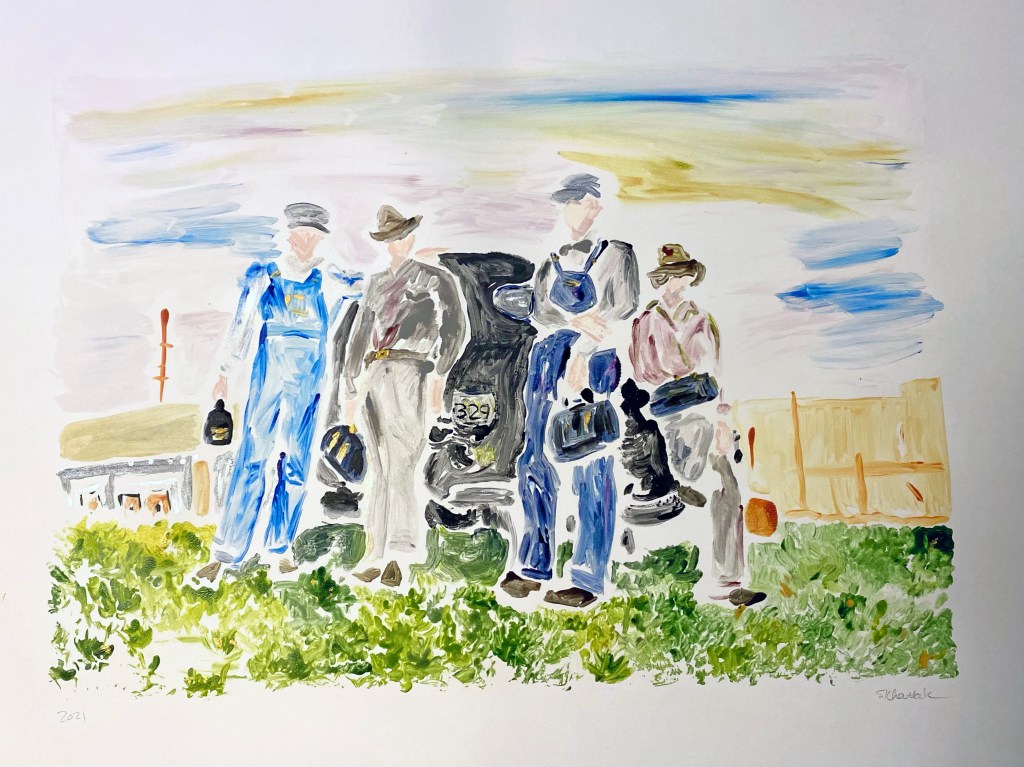
“Paper Mill Car Share.” Acrylic monotype, 18X24 by Stephanie Khattak.
This piece is based on another Farm Security Administration photo by John Vachon. It shows four Southland paper mill workers and their car share vehicle. I like that it also shows their work gear and lunch boxes. Reminds me of how my dad used to dress for work and the lunch box he carried for so many years. My mom always packed my dad’s lunch (or dinner, if he was on an evening or overnight shift) and used to put Mrs. Baird’s fruit pies in there for dessert. So, when I see these types of lunch boxes, I think of fried pies and those big metal clasps snapping shut.
The paper mill has been a theme in my work before and probably will be again. As I’ve mentioned, it had a huge effect for Lufkin and surrounding areas, too. It was one of the largest employers for generations, and when it shut down, it didn’t necessarily tank the economy because I feel at that time the town’s economic drivers were changing anyway. But it definitely caused a shift and left a lot of people displaced, professionally. It is integral to the larger East Texas story.
“Down to the River,” 18X24 acrylic monotype on paper by Stephanie Khattak.
I recently joined a Facebook group of family members’ on my dad’s side, which is and was full of preachers and have even had their own church for generations. This is not a side of my family that I know very well, so it is interesting to get to know them and the family history.
This piece is based on a photograph I found there, showing a river baptism probably around the 1950s or so. The people are not identified, but I would guess that the person doing the baptism is an uncle of mine.
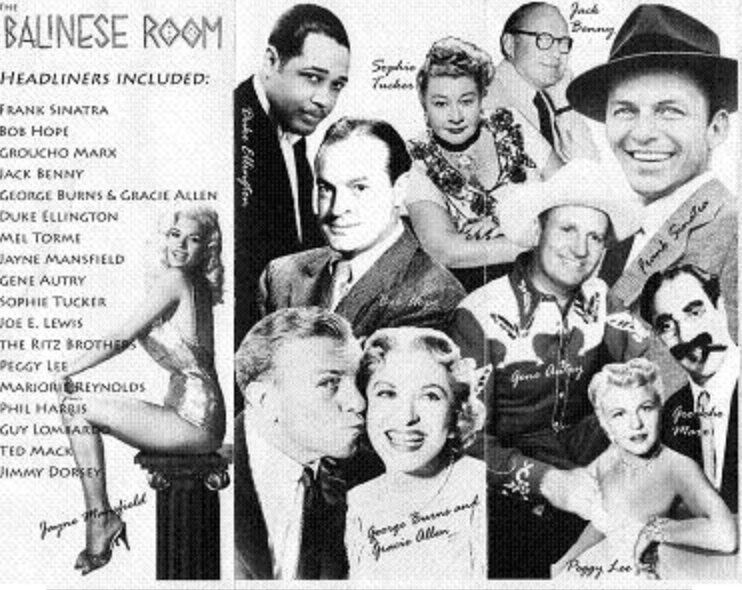
One of the family history threads I’ve been researching leads to Galveston, Texas in the 1930s-40s and the Maceo family, and by extension, Galveston’s Balinese Room. This spot was super-popular in its heyday, attracting visits and performances from celebrities like Frank Sinatra, Duke Ellington, Peggy Lee and others. Apparently it was quite the place to be – and a dance hall and illegal casino stretching over the Gulf of Mexico does sound pretty cool!
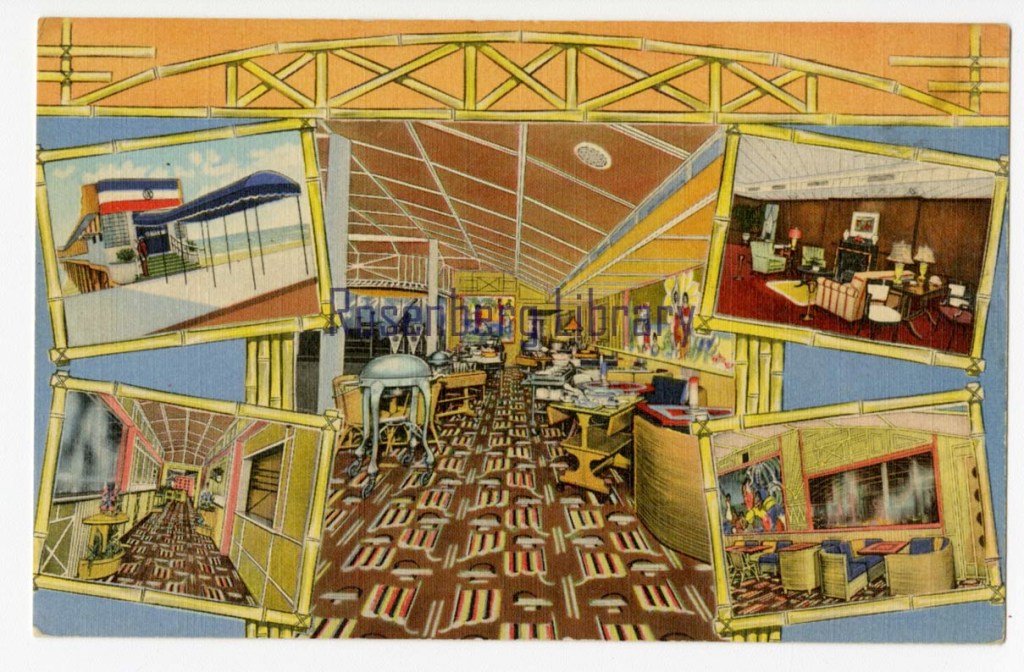
“On January 17th, 1942, the Maceos opened their Galveston jewel, the Balinese Room. The interior had been remodeled in a South Seas motif and the pier had again been expanded, this time to 600 feet. Its private back room was equipped with the most modern gaming equipment, and long before Vegas attracted the big names, the Maceos lured high rollers to “Play on Galveston Island.”” – via Galveston Island/Facebook
Unfortunately, time and Galveston’s famous tropical storms and hurricanes have erased The Balinese Room from its prominent spot across from Hotel Galvez, at 21st and Seawall Blvd. After being purchased and rebuilt several times over the decades, Hurricane Ike demolished it, leaving only the memories and memorabilia of this distinctive place.
Later on, I will dive deeper into my family’s connection with Maceo family associates and its repercussions. For now, enjoy these images and scroll down to read more about this fascinating place and period in Galveston and Texas history.
June 10, 1957:The Balinese Room at 2107 Seawall Blvd, Galveston. via Houston Chronicle Files
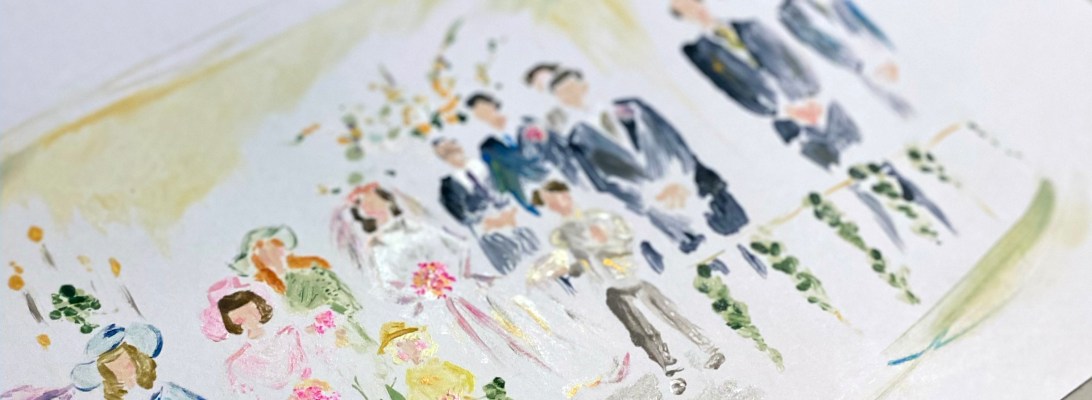
Detail Shot, “The Anniversary” by Stephanie Khattak.
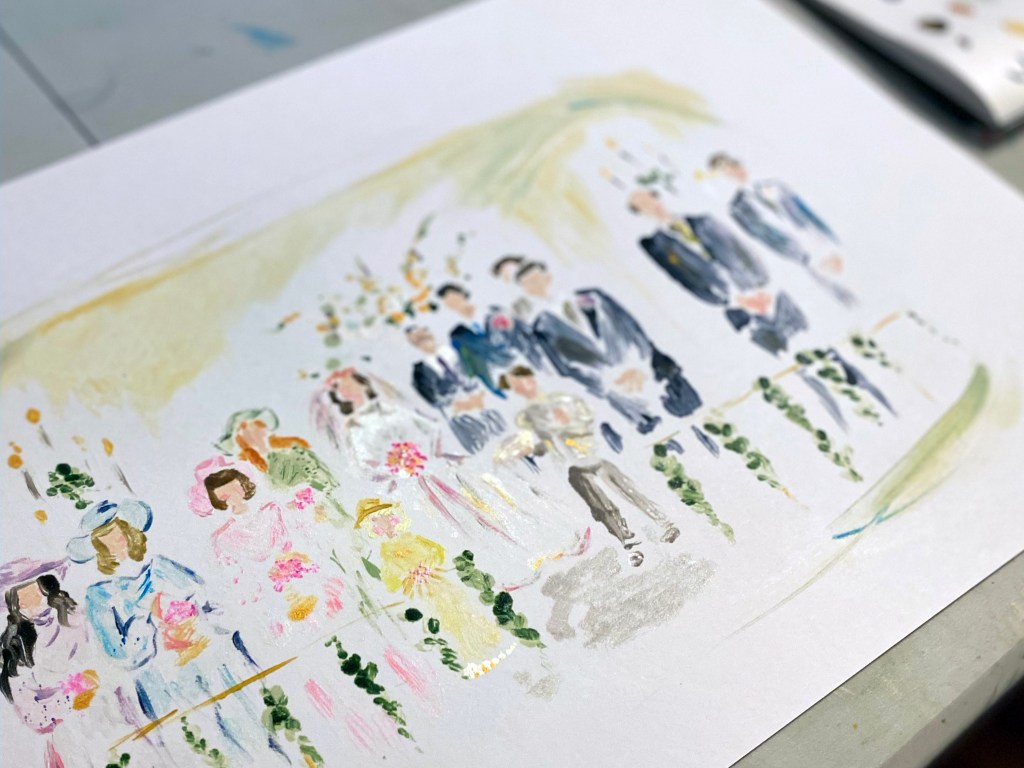
“The Anniversary” by Stephanie Khattak.
My parents had the most seventies wedding ever. White shoes on the men, sherbet-toned bridesmaid dresses for the ladies, complete with floppy hats and flower baskets instead of bouquets. But it worked for this East Texas wedding portrait in 1973 and in some festival/Midsommar aesthetic circles it still works today. They got married roughly a month after my mom graduated high school, which was common for the time. I came along three years later. They’re still together, their health has been good. They lead quiet lives in a nice home with a bunch of cats and a dog so spoiled we’ve taken to calling him Little Lord Poncho. It hasn’t been perfect because what is? But they got their happily ever after.
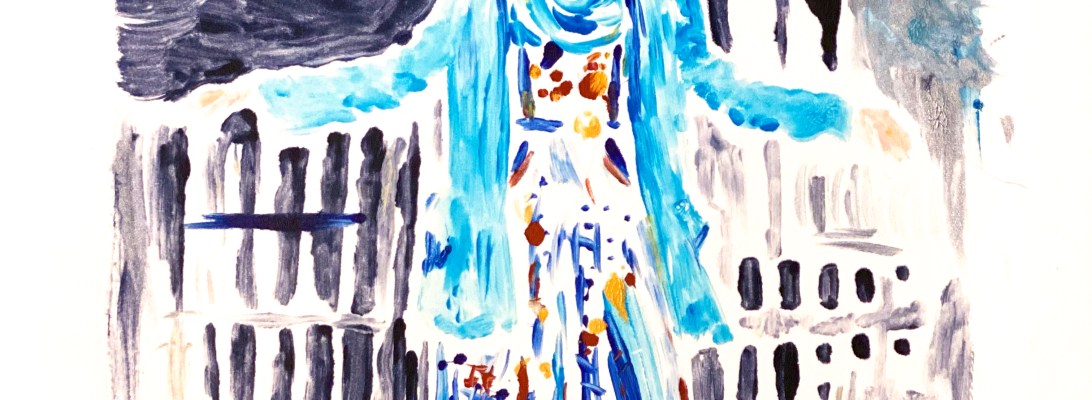
“Lizzie McBryde,” 12 x18 acrylic monotype on paper by Stephanie Khattak.
This image was taken from a family photo of Lizzie McBryde, my great-great grandmother who lived in Huntington, East Texas. She was alive between 1871 and 1946. I would place this photo somewhere in the late 30s or early 40s.
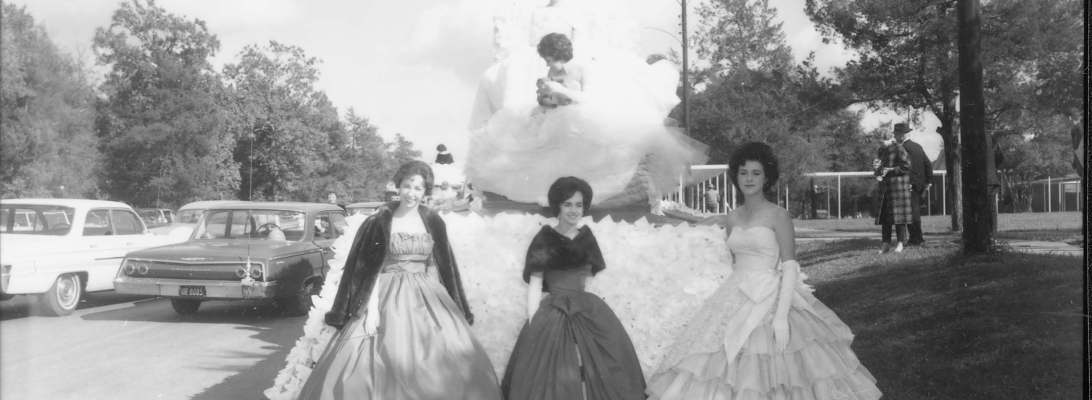
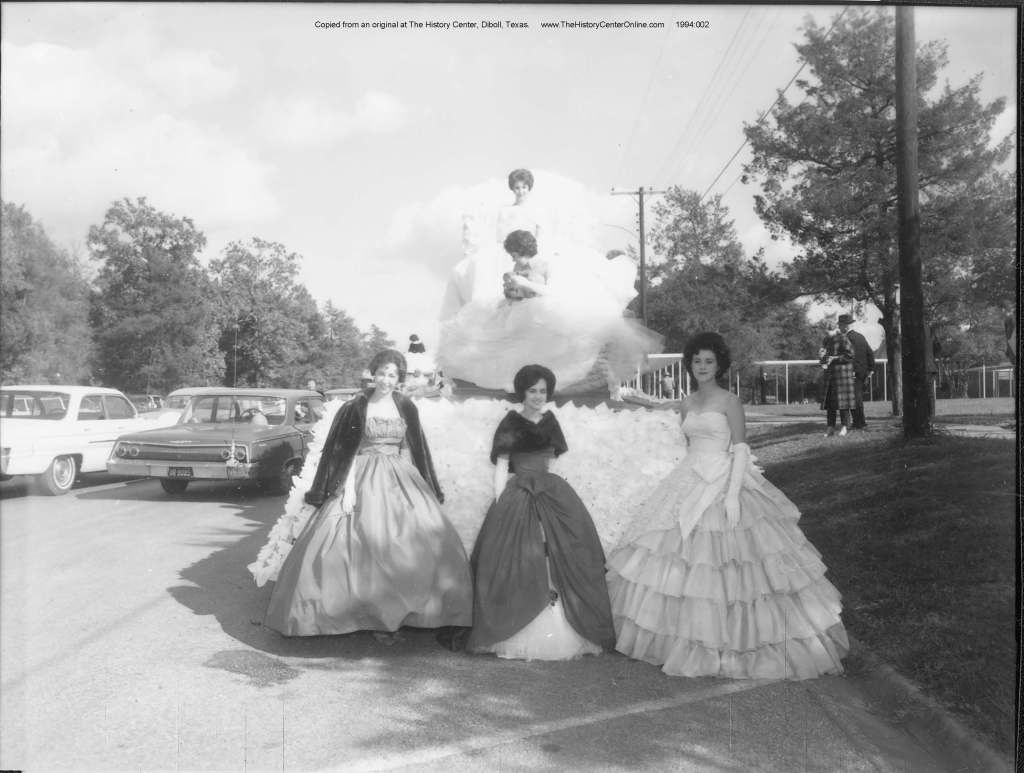
“1962 Diboll Day Queen and Court at Forest Festival Parade” via TheHistoryCenterOnline.com
This photo is from the digital archives of The History Center in Diboll. It shows a group of young women in formal dresses, representing their town on Diboll Day at 1962 Texas Forest Festival.
In the Pine Curtain, it makes sense that the annual civic event is a Forest Festival. Since 1938, East Texas forest region communities have gathered for a weekend of special exhibitions and demonstrations, carnival rides, youth team performances, and since 1985, the famous Hushpuppy Olympics Cookoffs!
“The event is no longer the ‘Olympics.’ Lufkin had its hands slapped several years ago when the real Olympics said it owned the trademark to the name. So now it’s the Hushpuppy Cookoffs.” – Bob Bowman, Texas Escapes
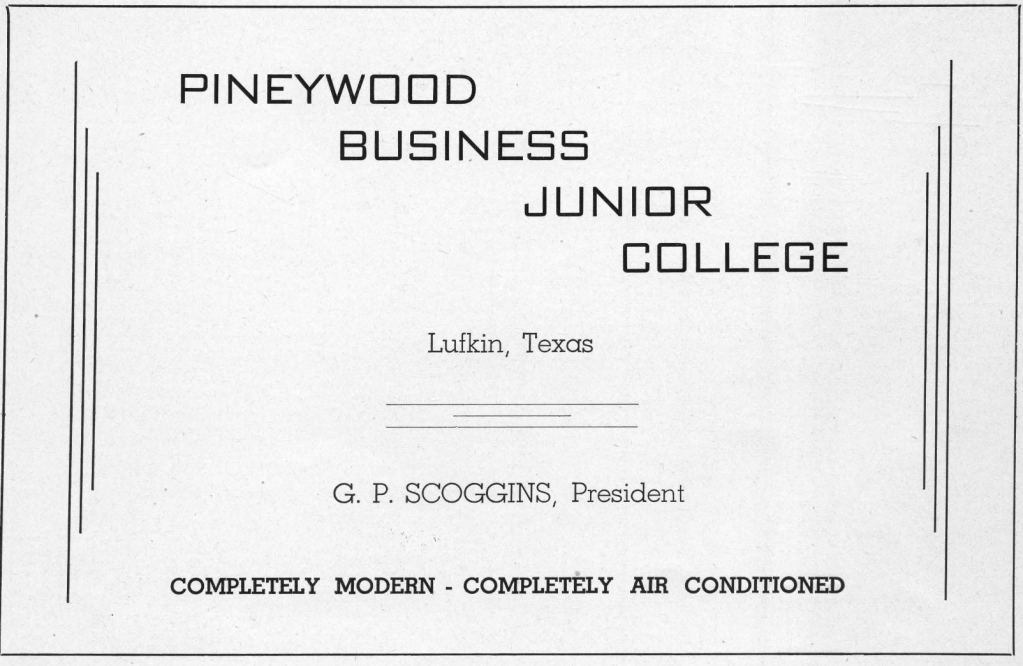
The Texas Forest Festival is such a big deal for East Texas, that at one time, it even had its own commemorative publication! I love the ads in this one from 1948:
(Fun Fact: My mom’s church group won a prize in an early Hushpuppy Cookoff, dressed not in beautiful evening gowns, but homemade costumes as skunks, deer, squirrels and of course, big green net pine trees, complete with real embedded pine cones. They did a little rap and even made the local TV news! I was 12 and as you can imagine, very excited about this. *cue pre-teen eye roll*)
As of now, the 2021 Forest Festival is still scheduled for September! Our East Texas neighbor, Nacogdoches, hosts the also impressive annual Pineywoods Fair, planned for October. So, if you like to celebrate the mighty pine tree, Fall in East Texas is your time to shine.
As I am more of an artist and less of an academic historian, please explore these links forcitationsand further reading:
Lead ImageCitation: The 1962 Diboll Day Queen and Court prepare to ride on a float in that year’s Forest Festival Parade through downtown Lufkin. TheHistoryCenterOnline.com.
Vintage Forest Festival Program collection, Angelina County Chamber of Commerce Publications collection, The History Center.
“Donna at the Bat, 1960s.” Acrylic Monotype Print by Stephanie Khattak.
Spring means outdoor fun, and in the East Texas country, many of us were lucky enough to have playing field-sized yards or adjacent lots to play in. We could enjoy badminton, t-ball, dodge ball and many other games with whoever was around, using whatever equipment we could scratch up and throw at each other, inevitably making our own rules. This is a photo of my cousin in the 1960s, giving it all she’s got in a baseball game in the pine trees.
This community sportsmanship came to a halt in my generation after a bloody Red Rover, Red Rover battle in the church parking lot. But it was fun while it lasted.













 stephaniekhattak.com